
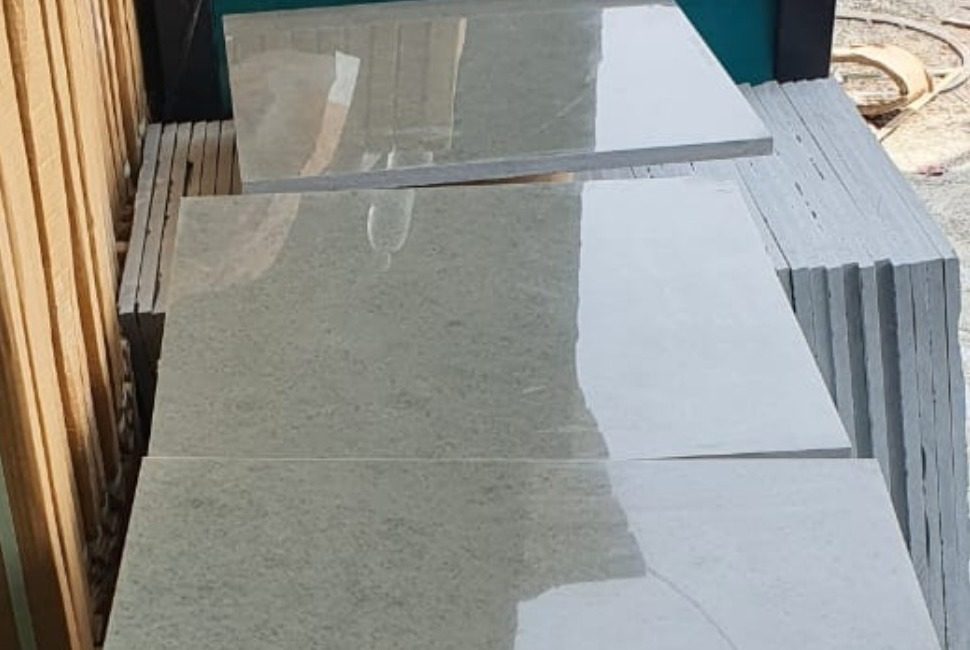
The stone this town is named for
Kota Stone
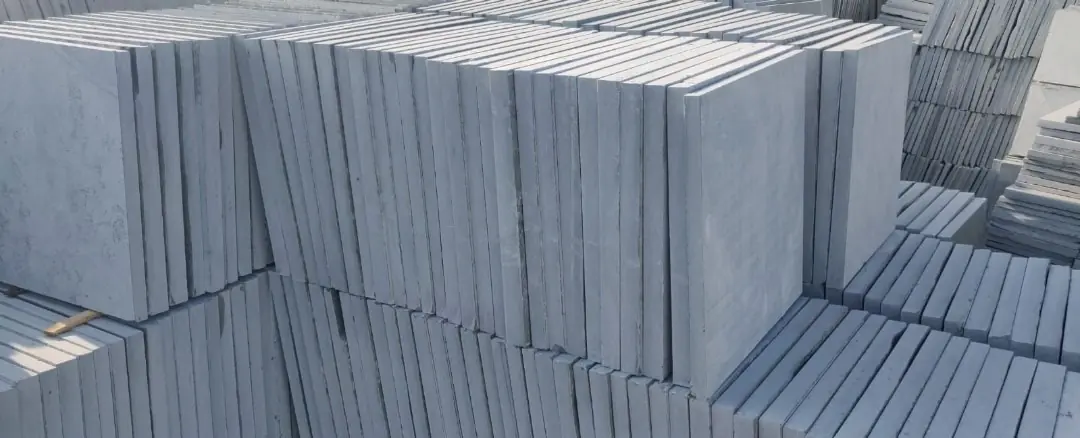
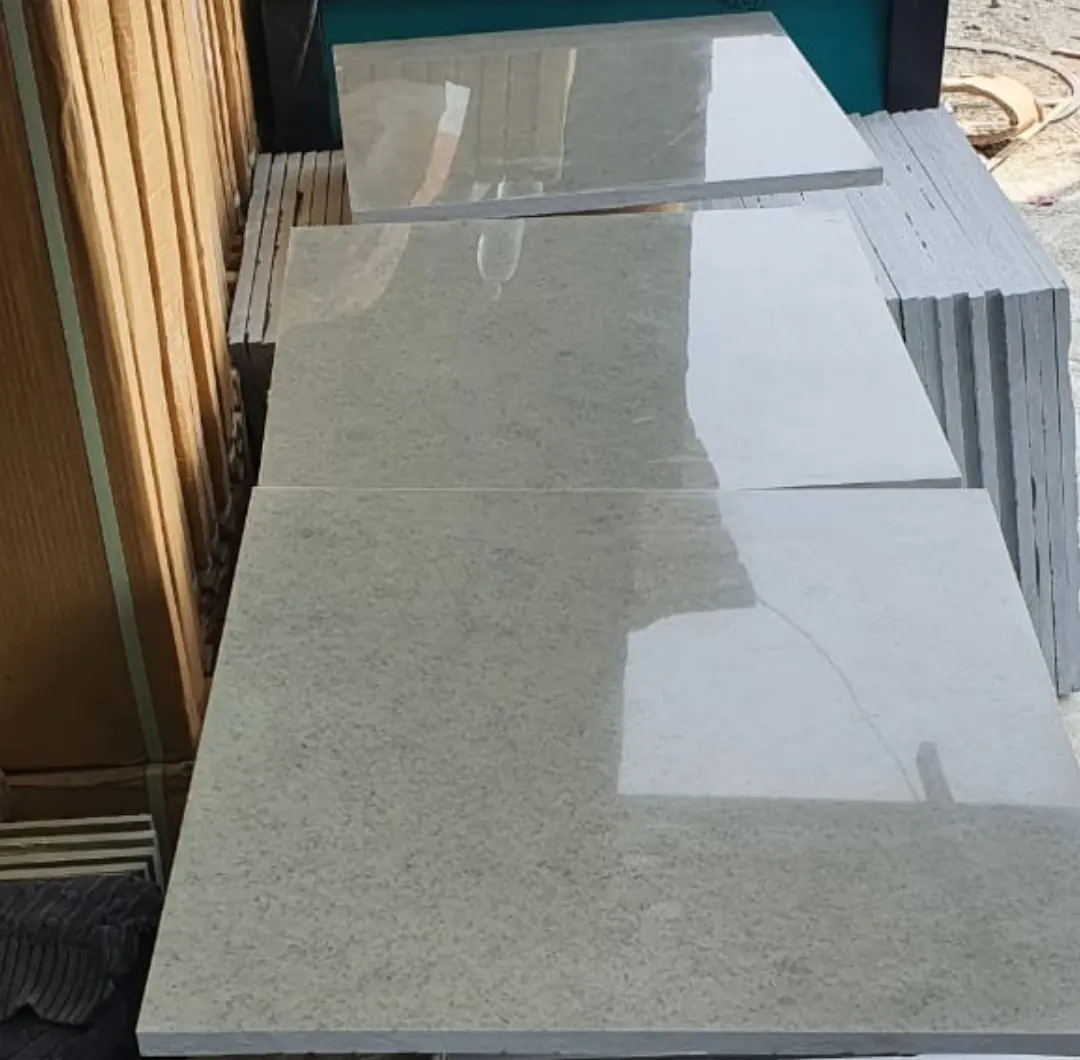
Nine products, all of them Kota limestone from the Ramganj Mandi belt — sawn, finished and cut to size at our own unit.
What it is
A fine-grained limestone that behaves like a much dearer stone.
Kota stone is a dense, fine-grained limestone quarried in a narrow belt around Ramganj Mandi in Kota district. It splits into flat beds, which is why it can be sold as slabs rather than sawn from blocks — and why it lands on site at a fraction of the price of granite or marble.
It takes a mirror polish, it can be re-polished in place decades later instead of being ripped out, and it stays cool underfoot through a Rajasthan summer. It is not stain-proof: like every limestone it will react to acid, so it wants a sealer in a kitchen and no lemon juice left standing on it overnight.
The nine
Every Kota product we list, and what each one is for.
These are the same nine on our WhatsApp catalogue. Rates shown are the catalogue figures — the rate for your job depends on size, thickness, quantity and where it is going.
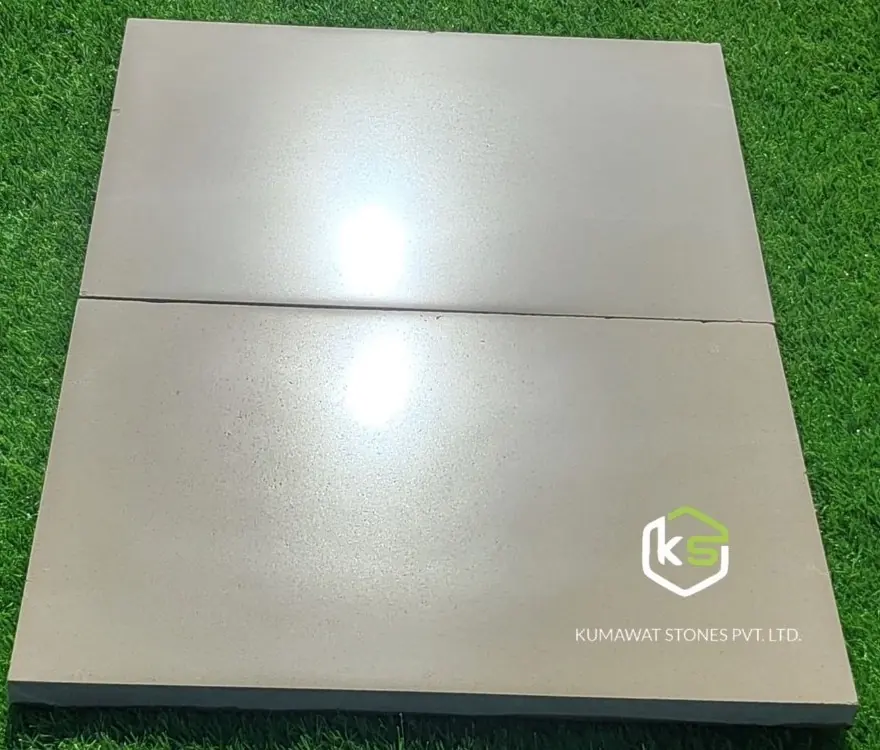
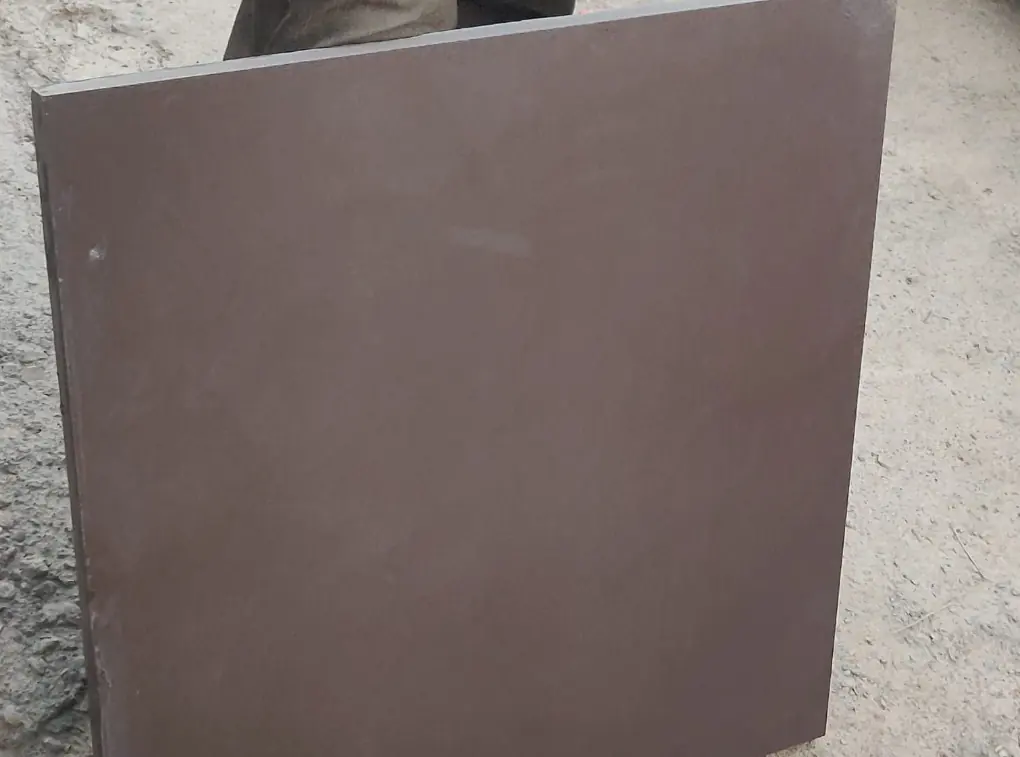

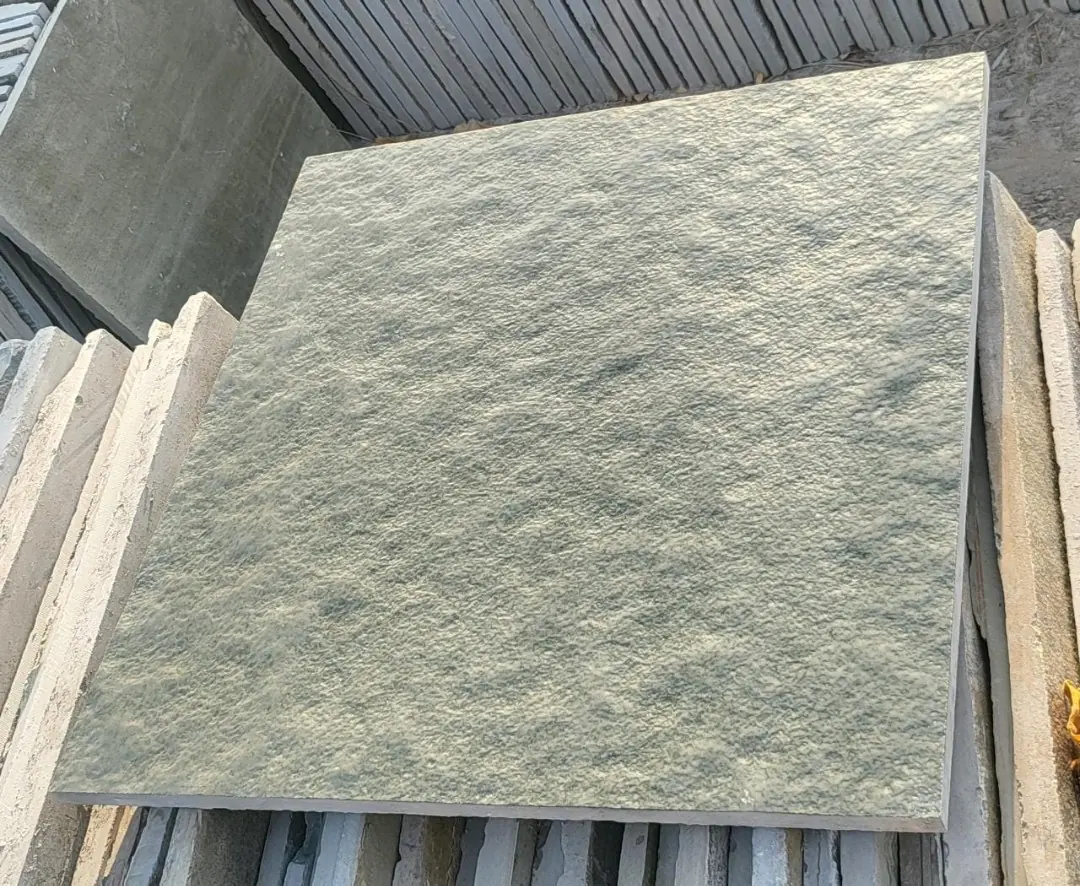


We also cut Mandana
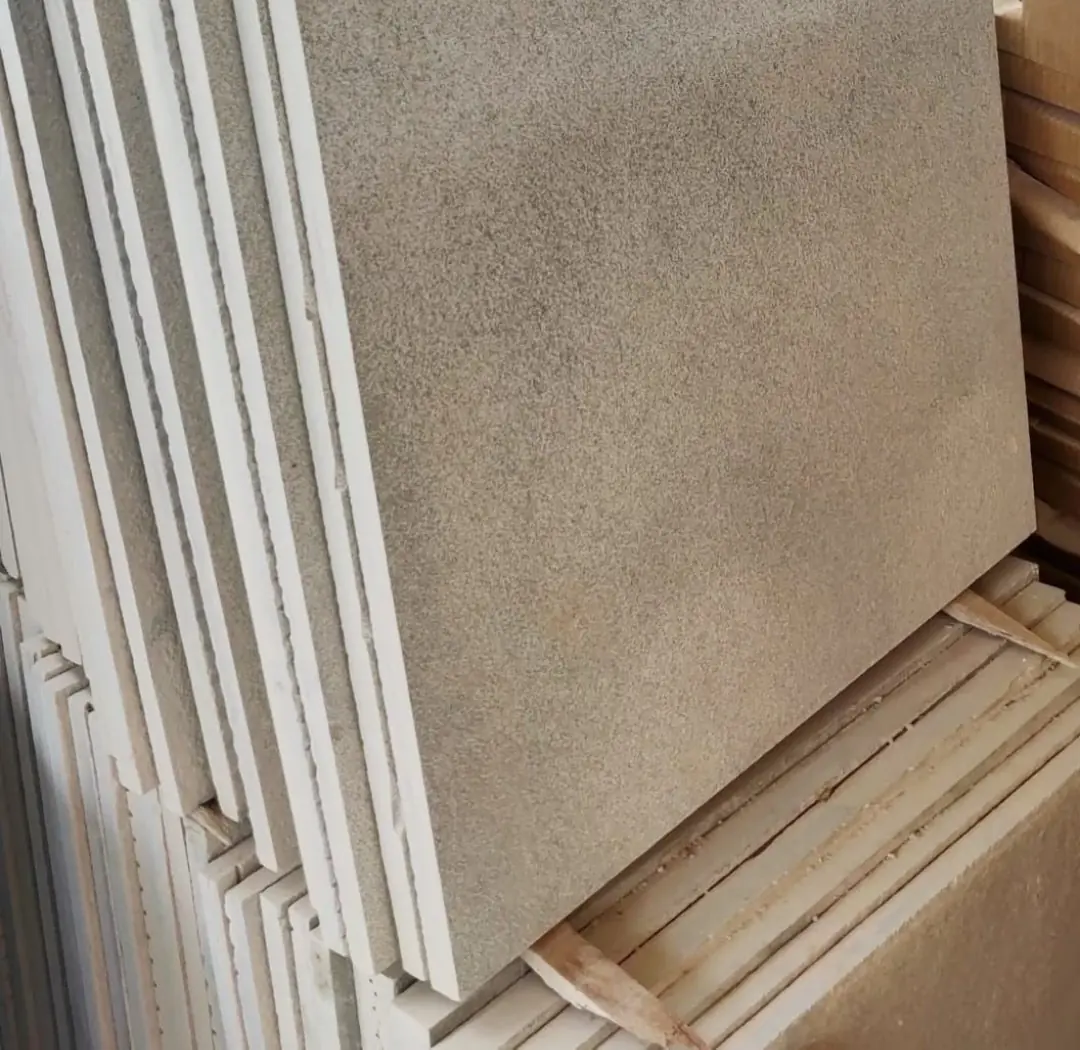
Red Mandana sandstone — semi polished and diamond cut, or taken to a full gloss — comes off the same unit. See Mandana stone.
Grades
Grade is about soundness, not colour.
Whatever the colour and finish, stone is sorted into grades before it is loaded. Anyone quoting Kota without naming the grade is quoting the cheaper one — ask.
| Grade | What it is | Where it belongs |
|---|---|---|
| Rough fresh | Sound, unbroken slabs with an even face and clean edges. The top sort. | Interior floors, polished work, anything seen close up |
| Medium (sold as second quality) | Sound stone with more tonal variation and the odd healed line. Cheaper, and right for plenty of jobs. | Paving, parking, terraces, back-of-house floors, sub-base |
| Ratya | Bed-run slabs sorted for soundness and thickness rather than cut to size. | Courtyards, random paving, farmhouse and boundary work |
| Cut-to-size | Any grade, sawn to your drawing rather than a standard size. | Treads, risers, sills, copings, counters, cladding |
Questions we get every week
Kota stone, answered plainly.
Is Kota stone good for a kitchen floor?
Yes, with a sealer. It is a limestone, so acid marks it — lemon, vinegar, tamarind, some cleaners. Seal it on installation, re-seal every couple of years and wipe spills. A honed finish hides marks far better than a polished one, and river wash better still where the floor gets wet.
How thick should the stone be?
15–20 mm for an upper-floor interior on a screed, 20–25 mm for ground-floor interiors, 30–40 mm for driveways and courtyards, and 40–60 mm where vehicles run over it. Going thicker costs more in freight than it does in stone.
What is the difference between calibrated and non-calibrated?
Calibrated stone is machine-ground to an even thickness, so the bed depth stays constant and the tiler lays faster with less packing. Non-calibrated is cheaper per square foot and more expensive to lay. On a large floor, or over an adhesive bed, calibrated is the cheaper answer overall.
Can an old Kota floor be brought back?
Almost always. That is Kota's real advantage over tile — grinding and re-polishing in place takes a worn floor back to new, and you can do it more than once over the life of a building.
What is your minimum order?
For a delivered rate to make sense you want a full truck, roughly 20–30 tonnes, which is about 3,000–5,000 sq ft at 25 mm. Below that we consolidate with another load on the same route, or you collect ex-yard at Ramganj Mandi.